Discover How Balanced Hormones Can Ease Achy Joints
Joint pain can turn the best parts of life in Reno into a struggle. Hiking local trails, playing golf, gardening, or spending the day at the lake all feel different when your knees, back, or shoulders ache. Many people think joint pain is just “wear and tear,” but there is often more going on under the surface.
Hormones quietly affect how your joints feel every day. When they are out of balance, inflammation can rise, stiffness can set in, and your body may not repair itself as well after activity. That can make pain worse and recovery slower, even if your X-rays or scans do not look that bad.
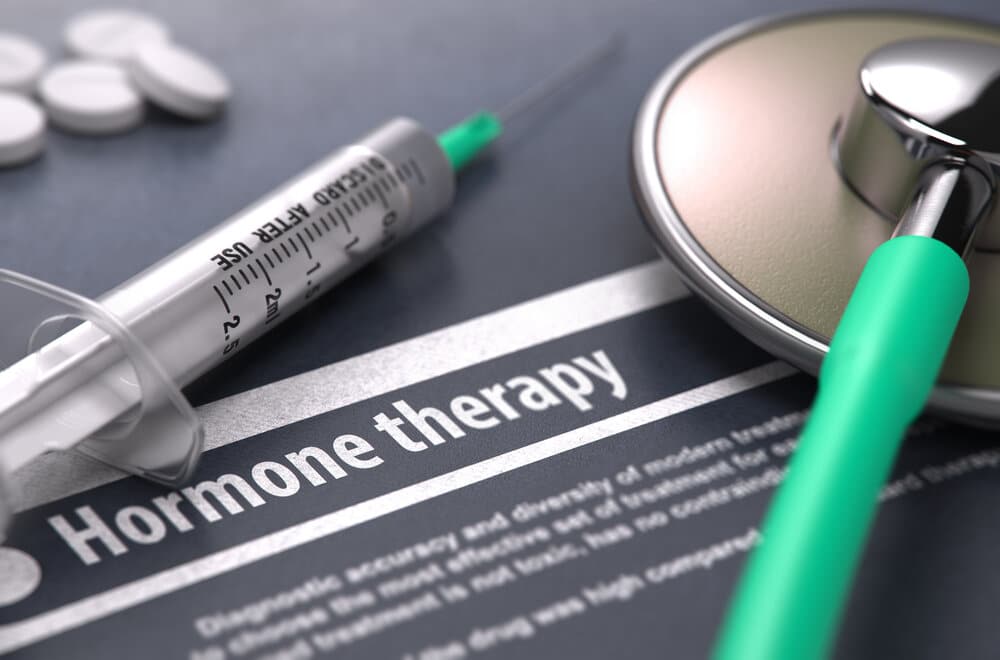
At our clinic, we see that hormone therapy in Reno, NV, can be an important piece of joint pain care. When it is combined with regenerative treatments and chiropractic care, some patients notice better, longer-lasting relief. In this article, we will talk about how hormones affect your joints, who might benefit from hormone support, and why a whole-person plan can make such a difference.
How Hormones Impact Joint Pain and Inflammation
Hormones act like messengers that tell your body how to repair, recover, and control inflammation. Several hormones have a strong effect on joint comfort and function.
Key hormones that influence your joints include:
- Estrogen and progesterone
- Testosterone
- Thyroid hormones
- Cortisol, the main stress hormone
Estrogen helps protect cartilage and supports collagen, which is a key part of tendons and ligaments. When estrogen levels drop, joints may feel more stiff, and aches can show up in the knees, hands, and hips. Progesterone also interacts with pain pathways and can play a role in how inflamed tissues feel.
Testosterone is not just a “male” hormone. It helps both men and women build and maintain muscle. Strong muscles support the joints and take pressure off areas like the knees and lower back. Low testosterone can lead to weaker muscles, more fatigue, and a higher chance of sprains and strains.
Thyroid hormones affect your metabolism and energy. When thyroid levels are low, people often feel tired, heavier, and slower. That extra weight and fatigue can stress joints and make movement more painful. Cortisol helps manage inflammation, but if it is too high or too low for long periods, it can disrupt normal healing.
When these hormones shift with age, stress, or chronic illness, you might notice:
- More stiffness in the morning
- Slower recovery after activity
- More frequent pain flares
- New aches that do not match your level of activity
Perimenopause and menopause in women, andropause in men, and midlife weight gain all bring hormone changes that can affect joints. At our clinic, we often see recurring knee pain, low back pain, or shoulder pain that does not fully respond to standard care until hormone imbalances are addressed.
Why Hormone Therapy in Reno, NV Is Gaining Attention
People in Reno tend to stay active. Many want to keep hiking, biking, skiing, golfing, or keeping up with kids and grandkids as the years go on. When joint pain starts to get in the way, they often look for options that support long-term function, not just quick symptom relief.
Hormone therapy in Reno, NV is getting more attention because it can support joint health in several ways:
- Supporting bone density so joints stay better supported
- Preserving lean muscle that protects knees, hips, and the spine
- Helping control systemic inflammation that can fuel pain
- Improving energy and sleep, which support better rehab and healing
Still, hormone therapy is not a magic fix. It usually works best as one tool in a bigger plan that can also include regenerative injections, chiropractic care, spinal decompression, and lifestyle shifts like better sleep and targeted movement.
It is also important to separate evidence-based, physician-guided hormone care from fad “anti-aging” claims and unmonitored supplements. Proper hormone therapy should be based on testing, a full health review, and close follow-up, not guesswork or one-size-fits-all products.
Inside Reno Regenerative’s Integrative Hormone Approach
At Reno Regenerative, we look at joint pain through a whole-person lens. That includes how your spine moves, how your joints are structured, and how your hormones and overall health might be affecting pain and healing.
A typical hormone-focused evaluation for joint pain may include:
- A detailed medical history and review of your joint symptoms
- Discussion of your activity level, work, and daily stress
- Review of current medications and supplements
- Targeted lab testing for hormone levels and certain inflammation markers
Based on this information, our providers design individualized hormone optimization plans. These may include options such as bioidentical hormone replacement, thyroid support, or adrenal support, depending on your needs and goals. The aim is to help your body work as smoothly as it can, not to push hormone levels to extreme ranges.
Hormone care is then blended with other services we offer, such as:
- Regenerative joint injections for damaged or irritated joints
- Spinal decompression for certain types of back and neck pain
- Chiropractic care to improve alignment, mobility, and posture
We also place a strong focus on monitoring. That includes regular lab work, dose adjustments if needed, and ongoing tracking of symptoms like pain, sleep, mood, and energy. This careful follow-up helps you get the benefits of hormone support while keeping safety front and center.
Who May Be a Good Candidate for Hormone Support
Not everyone with joint pain needs hormone therapy, but many people benefit from having their hormones checked as part of a complete work-up. Some signs that a hormone evaluation could be helpful include:
- Unexplained fatigue that does not match your activity level
- Weight gain around the midsection, even with decent eating habits
- Low libido or changes in sexual function
- Poor sleep, frequent waking, or feeling unrefreshed in the morning
- Hot flashes or night sweats
- Mood swings, irritability, or feeling “off” for no clear reason
We often see:
- Women in their 40s to 60s who develop new knee, hip, or hand pain along with perimenopause or menopause symptoms
- Men noticing “weekend warrior” injuries, slower recovery, and more soreness after the same activities they used to handle easily
- Adults with chronic low back pain that seems linked to fatigue, stress, or midlife hormonal shifts
There are also red flags that call for careful medical review before starting hormone therapy, such as:
- A history of certain cancers
- Clotting disorders or previous blood clots
- Uncontrolled high blood pressure
- Complex medication regimens or multiple chronic conditions
This is why personalized care matters so much. Hormones are powerful, and they need to be handled thoughtfully. For some people, hormone therapy plays a central role in their joint pain plan. For others, the best move is confirming that hormones are not a major factor and focusing more on structural or regenerative care.
Take the Next Step Toward Stronger, Pain-Resilient Joints
Joint pain does not have to mean giving up the activities you enjoy around Reno as the seasons change. Checking in on your hormones now can help support better movement and comfort through ski season, holiday travel, and daily life.
Before meeting with a provider, it can help to jot down your symptoms, track your energy, sleep, and pain levels for a week, and think about questions you have about hormone therapy and joint pain. With the right information and a thoughtful, integrated plan, many people find they can move with more confidence and less pain, instead of just blaming everything on “getting older.”
Reclaim Your Energy And Hormonal Balance Today
If your symptoms are holding you back, we are here to help you feel like yourself again with personalized hormone therapy in Reno, NV. At Reno Regenerative, we take the time to understand your goals and create a plan designed specifically for your body. Reach out to our team to schedule a consultation and talk through your options, or contact us with any questions you have about getting started.